NDPF Logo

How the Modern Diamond Industry Is Ensuring Fair Trade

  • 30 Jul 2026

Diamonds in Indian Culture

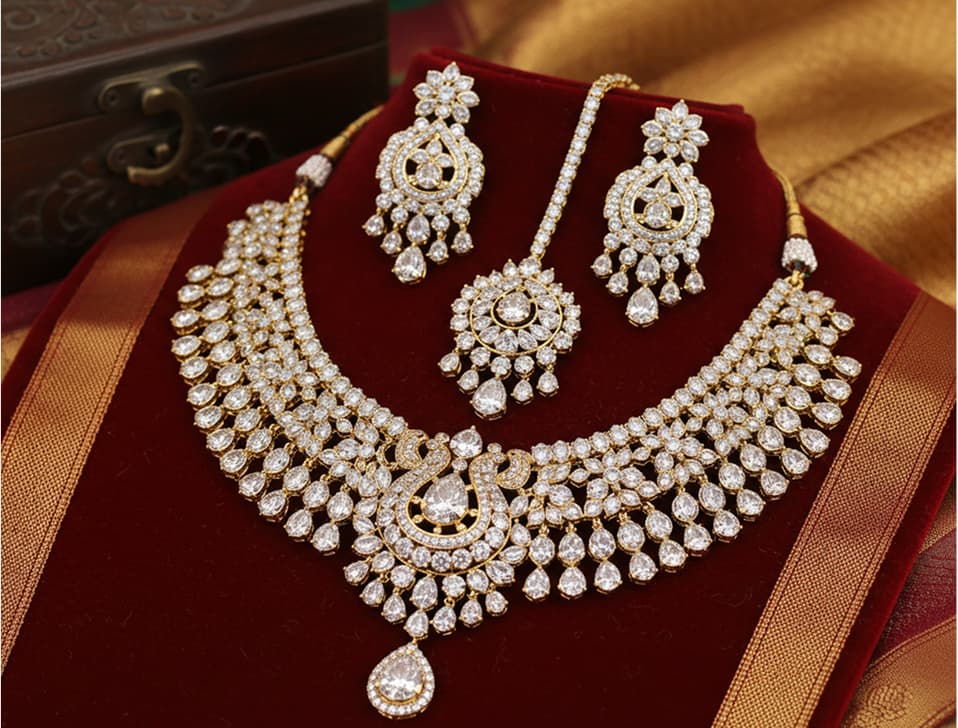
In Indian culture, natural diamonds have never been mere adornments or pieces of jewellery. They are deeply embedded in the country’s cultural, spiritual and familial traditions, marking meaningful moments across generations.

Natural diamonds symbolise power, purity and a divine connection, often referenced in ancient texts and associated with deities and higher energies. From royal courts to family homes, they are emblems of prestige and authority.
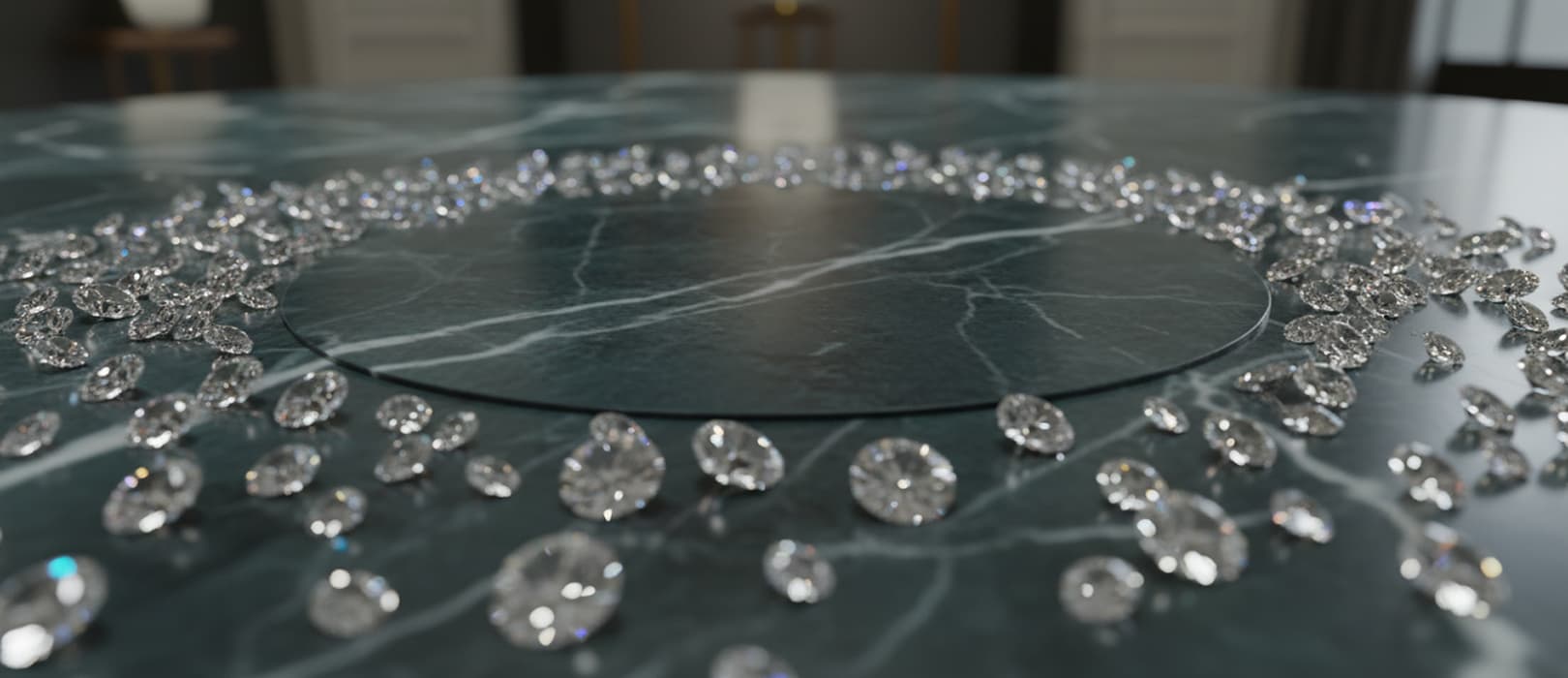
Natural diamonds arranged for viewing

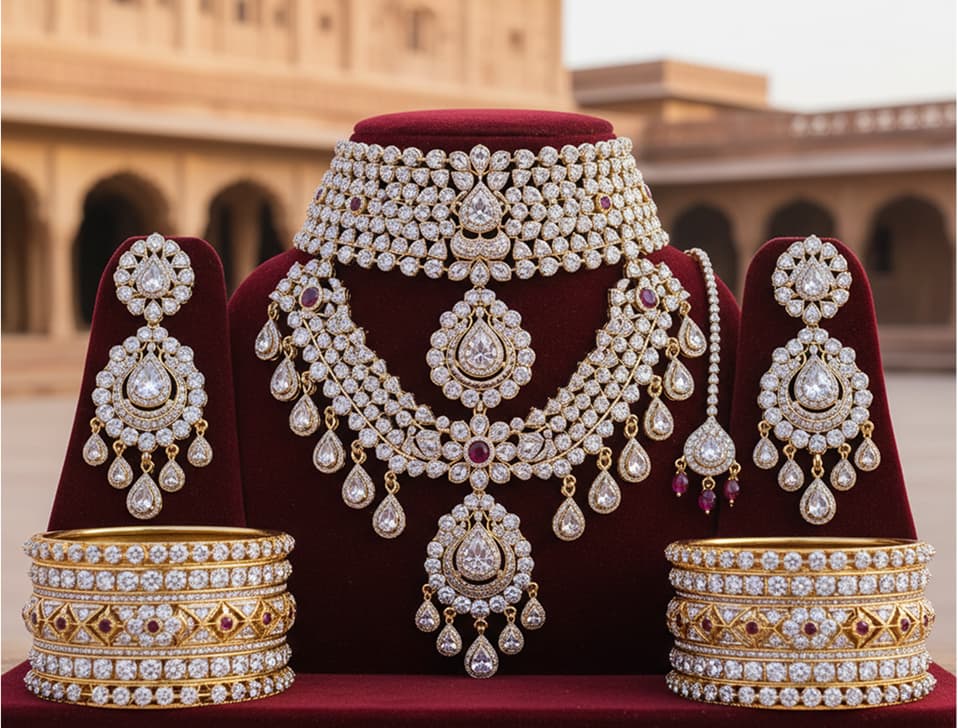
Within families, natural diamond jewellery is often treated as a living archive of personal history. Pieces are preserved, with their origins remembered and documented. They hold not only financial value but also an emotional inheritance that grows richer over time.

While weddings continue to be a mainstay of diamond gifting in India, their role has expanded to celebrate achievements such as educational milestones, career progression, birthdays and retirements.

A natural diamond

What is a Natural Diamond?

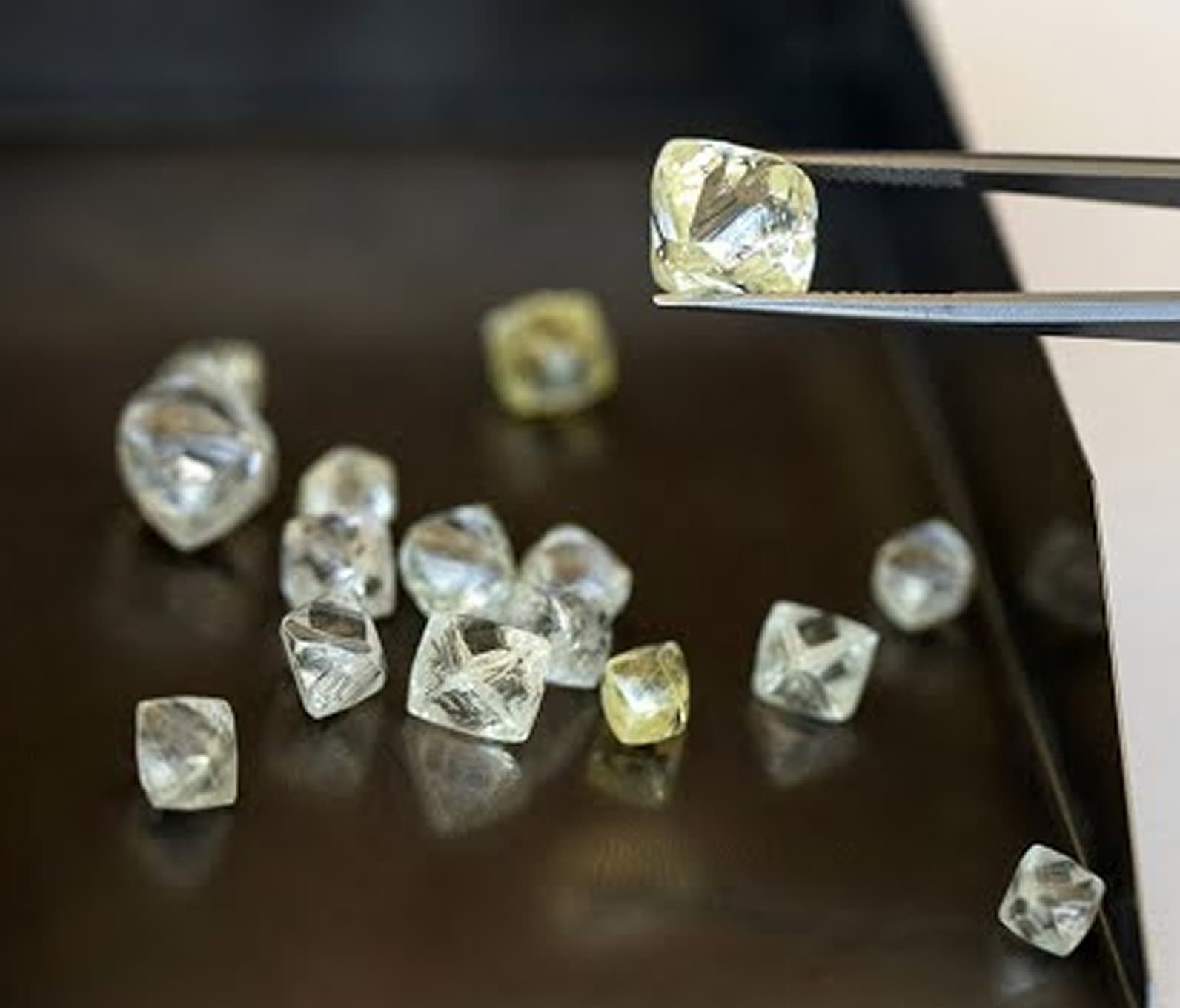
The story of a diamond’s carbon atom began billions of years ago, deep within the Earth’s mantle. Under extreme heat and pressure, carbon atoms crystallised to form nature’s most remarkable creation: a natural diamond.

Formed 150 to 200 kilometres below the surface, these diamonds remained hidden for millions of years, until powerful volcanic eruptions brought them closer to the Earth’s surface. No two natural diamonds are ever the same.

Loose natural diamonds

Ethical Trade and The Kimberley Process

From the moment a natural diamond is recovered to the time it reaches you, it passes through a carefully regulated ethical practice.

  • Kimberley Process

    Established in 2003, every cross-border shipment of rough diamonds must carry a certificate proving it is conflict-free.

  • Certified in India

    Diamonds imported to India follow GJEPC guidelines, and only Kimberley Process certified rough diamonds are used for cutting, polishing, and jewellery manufacturing.

What are the Diamond 4Cs?

The 4Cs were systematised by the Gemological Institute of America (GIA) and are now the global standard for grading and comparing diamonds. Cut, colour, clarity, and carat weight determine a diamond’s quality, appearance and price.

Together they explain why two diamonds of a similar size can look and be valued very differently. Cut governs how light returns to the eye, while colour, clarity, and carat describe what nature formed.

  • Cut refers to how well a diamond’s facets interact with light, and is considered the most important of the 4Cs.

  • Clarity measures the absence of internal flaws and external imperfections, from Flawless to Included.

  • Carat is the standard unit of weight: 1 carat equals 200 milligrams.

  • Colour ranges from D (colourless) to Z (light yellow or brown), with colourless diamonds the most valuable.

Diamond 4Cs video cover

Natural Diamonds vs Lab grown

Laboratory-grown diamonds share the same chemical composition as natural diamonds, but their origins are very different. Every natural diamond is a singular outcome of time and nature, formed deep within the Earth. A laboratory-grown diamond is created in a controlled environment.

Comparison ParametersNatural DiamondsLab Grown Diamonds
RarityYesNo
Natural fingerprintYesNo
SupplyYesNo
HistoryYesNo
Unique imperfectionsYesNo

India – The Diamond Capital of the World

India has evolved to become the undisputed natural diamond capital of the world.

Other related stories you might like

All rights reserved © 2026 NDPF