Rarity
Natural Diamonds
Yes
Laboratory‑Grown Diamonds
No

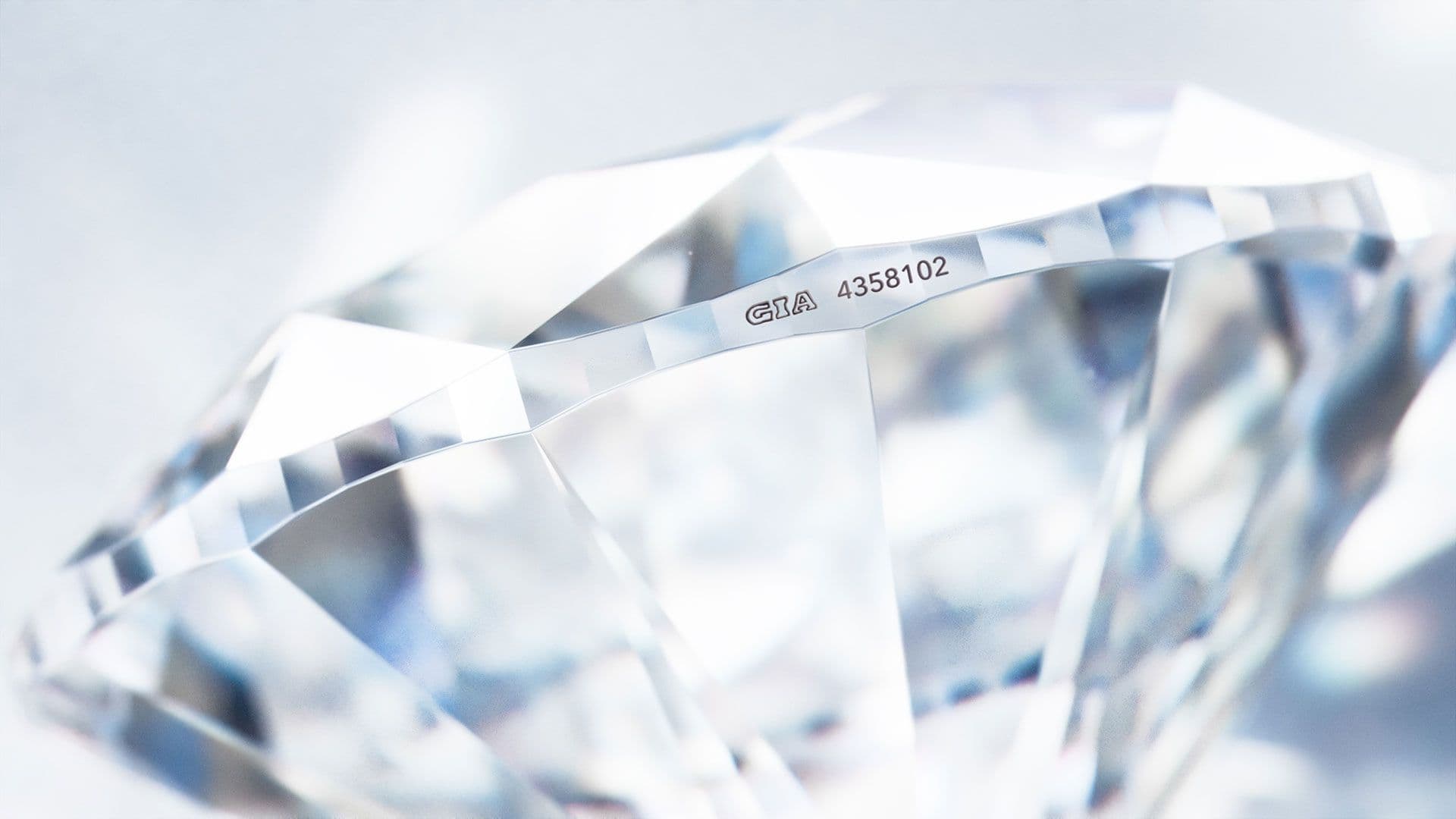
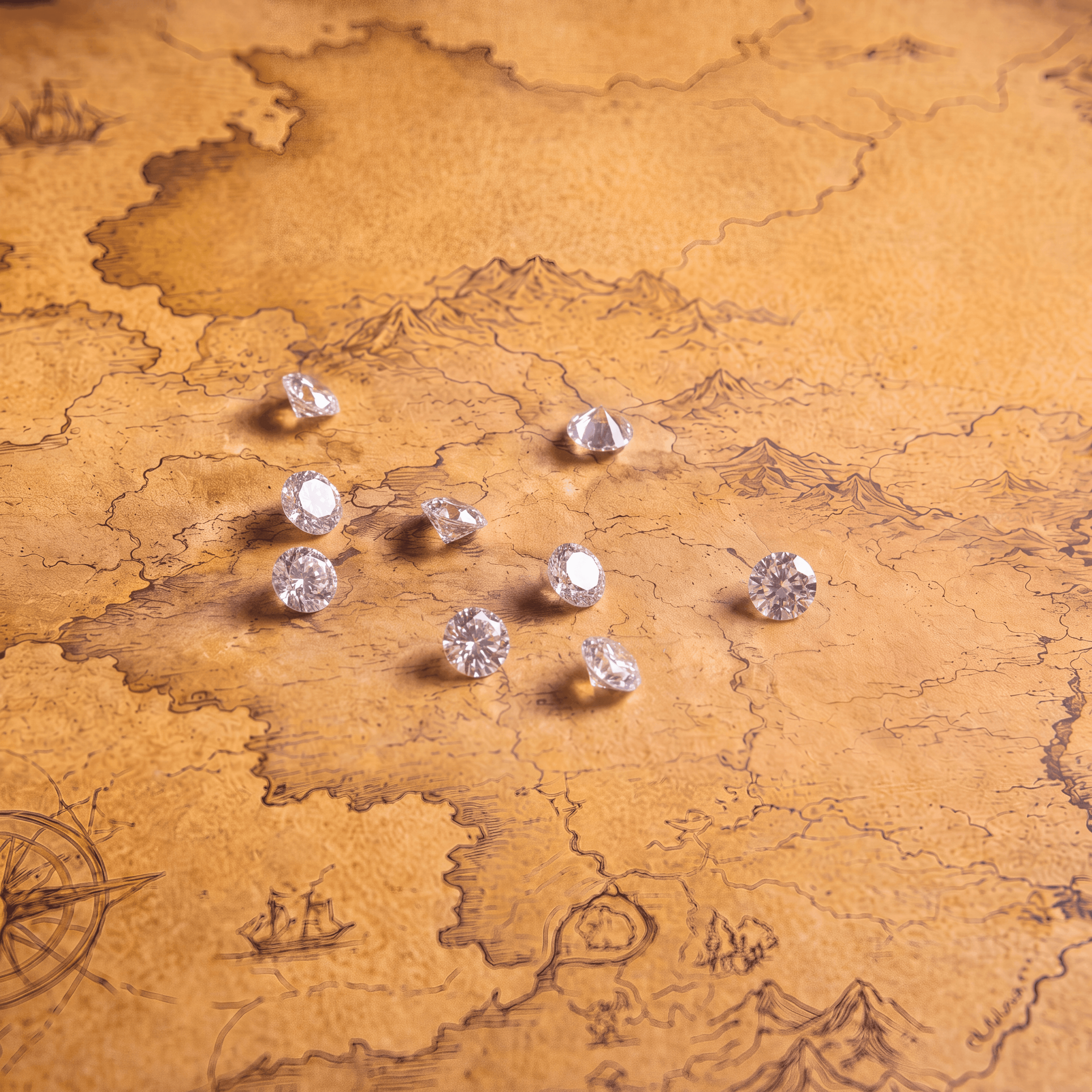
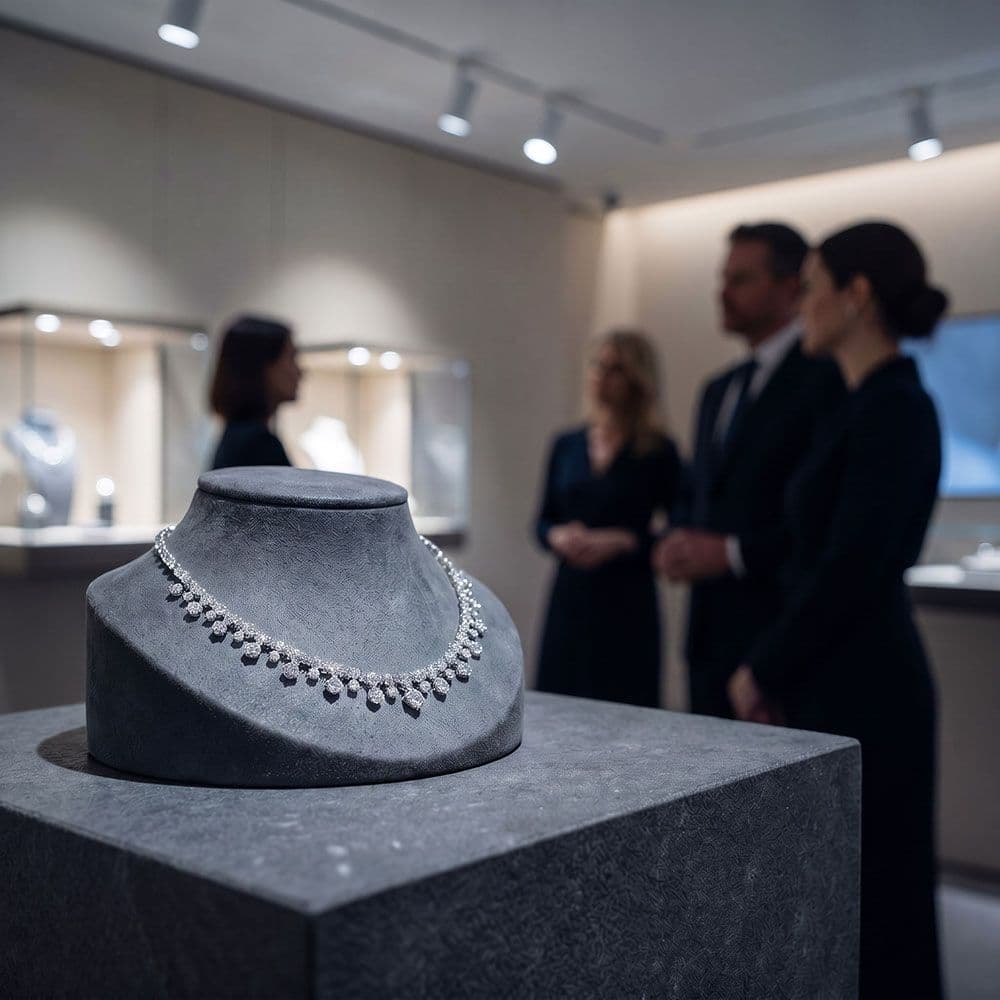
Every natural diamond carries a story shaped by time.
The formation of a natural diamond is closely linked to the Earth’s history, found in only a few rare regions of the planet, where they have existed for an unimaginable span of time. No two natural diamonds are ever the same, by a unique story unfolding over millions of years.
Natural diamonds are a finite resource, formed deep within the Earth billions of years ago. Once a mine has yielded all that it can, it permanently closes, with no way to replenish what the Earth no longer holds.
In fact, the annual recovery of one carat diamonds is so limited, it could fit inside an exercise ball. This scarcity is what makes every real diamond not just unique, but truly precious, valued as much for its beauty as for its rarity.
The 4Cs were systematized by the Gemological Institute of America (GIA) and are now the global standard for grading and comparing diamonds. The 4Cs of a diamond are the key characteristics that determine a diamond’s quality, appearance and price: Cut, Color, Clarity, and Carat weight.

Refers to the craftsmanship of a diamond and is considered as the most important C from the 4Cs. It alludes not to the diamond’s shape, but to how well its facets interact with light.
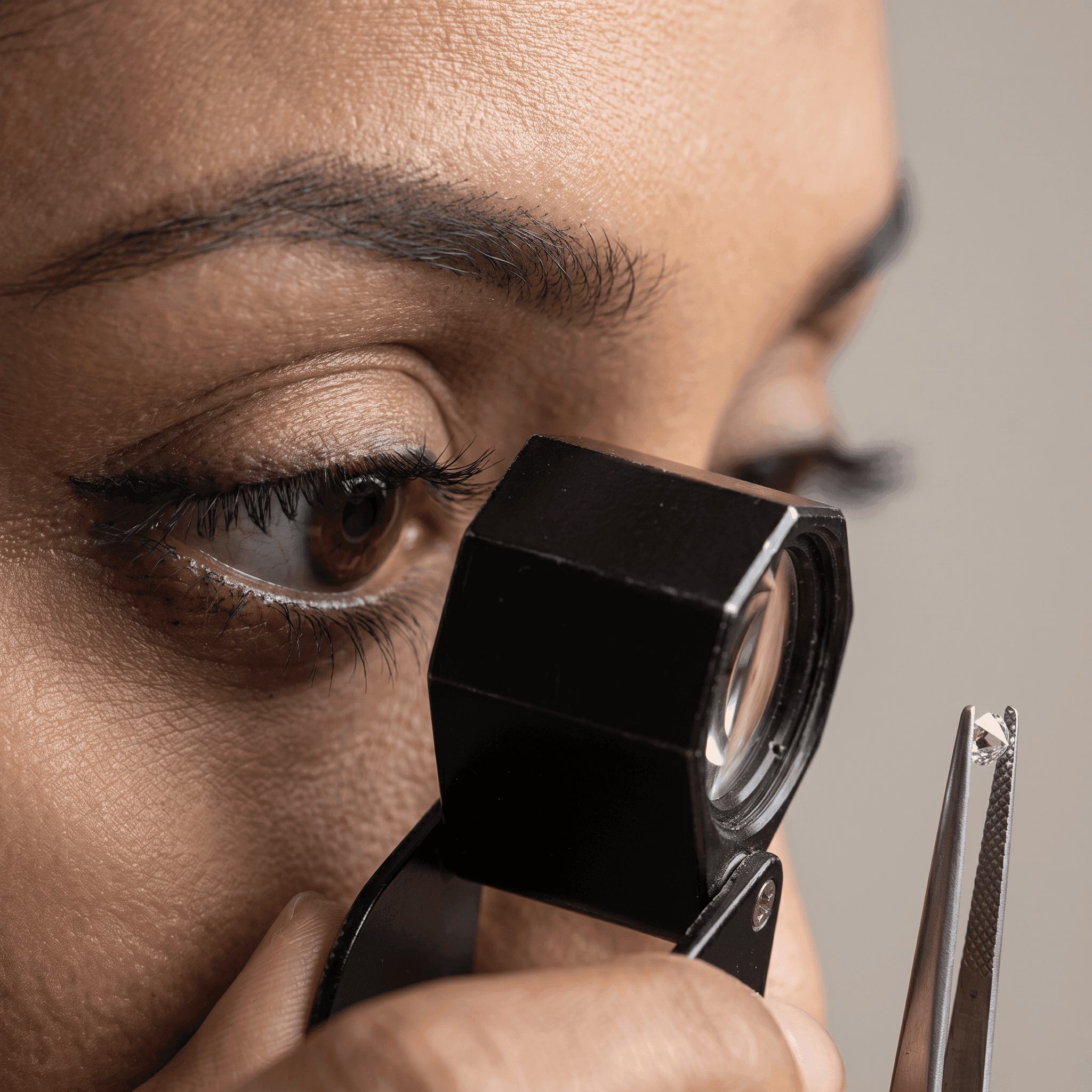
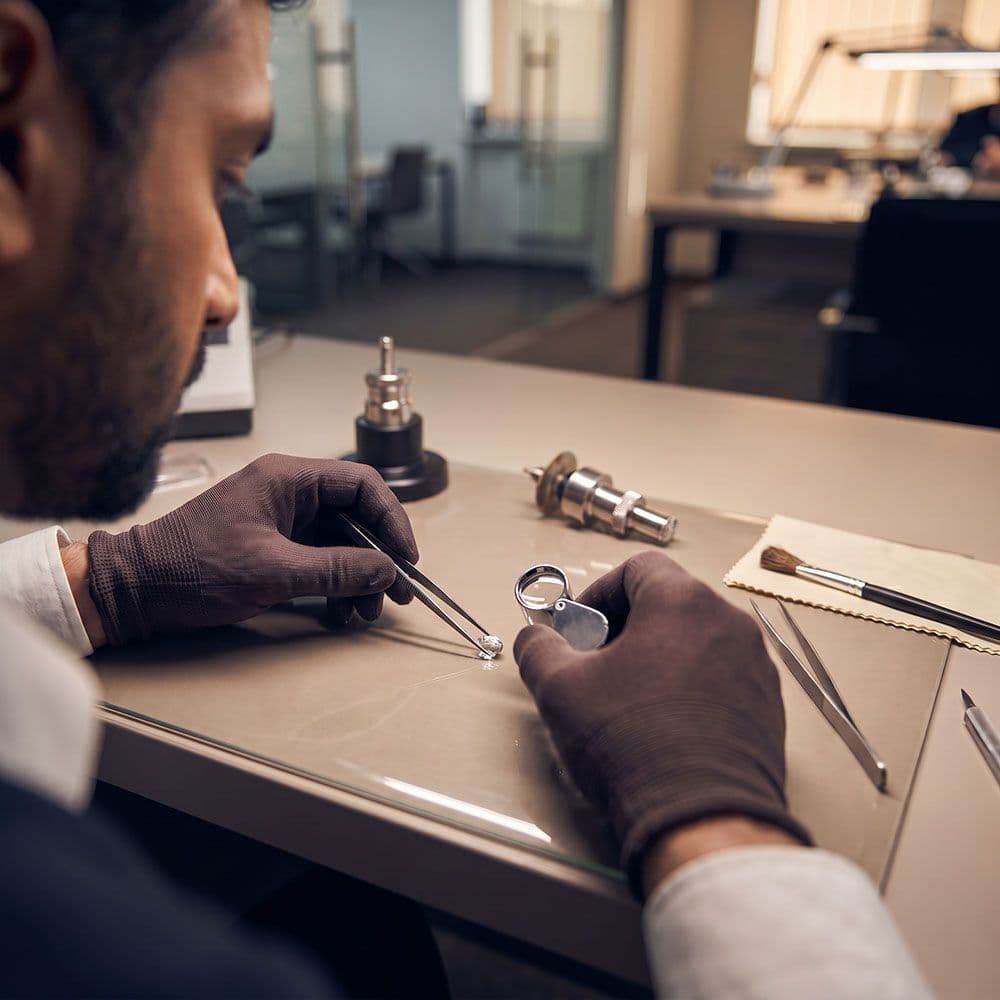
Measures the absence of internal flaws and external imperfections. Graded from Flawless (Fl) to Included (I3), natural diamonds with higher clarity are rarer to find and therefore more valuable.
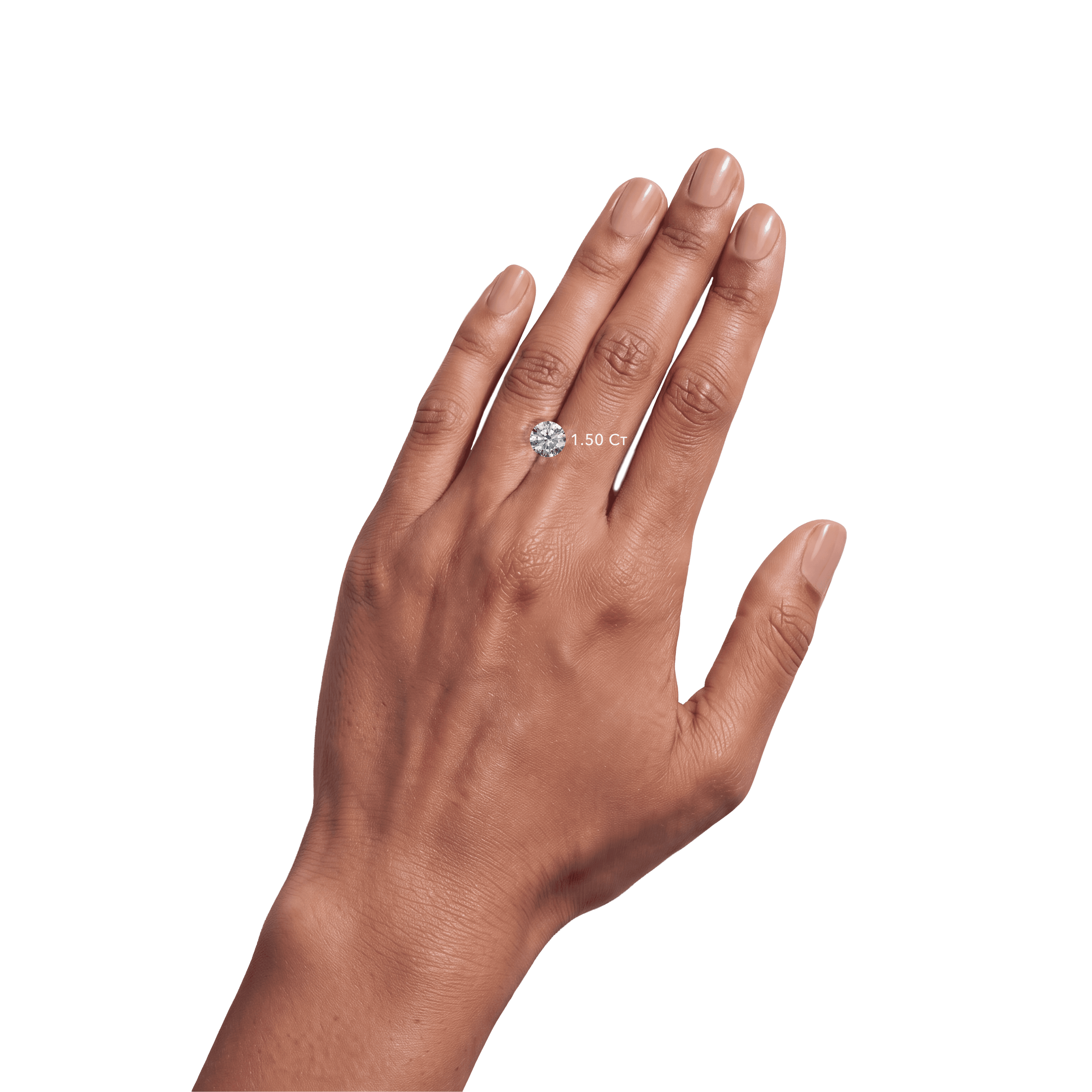
The standard unit of weight for diamonds: 1 carat = 200 milligrams. The term ‘carat weight’ comes from carob seeds and has been in use since the 1500s.
Refers to the absence of colour in natural diamonds. The scale ranges from D (colourless) to Z (light yellow or brown), with the most valuable appearing colourless, allowing light to pass through beautifully.
It’s helpful to understand the fundamental differences between natural diamonds and laboratory-grown diamonds. While laboratory-grown diamonds share the same chemical composition as natural diamonds, their origins are very different. That difference shapes how each is experienced and valued.
Every natural diamond is a singular outcome of time and nature, formed deep within the Earth. On the other hand, a laboratory-grown diamond is created in controlled environments, with similar optical and chemical properties.
For many buyers, the choice comes down to what they value the most. Some appreciate the rarity, history and natural journey of a diamond. While others are drawn to the precision of laboratory-grown diamonds.
Natural Diamonds
Laboratory‑Grown Diamonds
Natural Diamonds
Laboratory‑Grown Diamonds
Natural Diamonds
Laboratory‑Grown Diamonds
Natural Diamonds
Laboratory‑Grown Diamonds
Natural Diamonds
Laboratory‑Grown Diamonds
| Comparison Parameters | Natural Diamonds | Laboratory‑Grown Diamonds |
|---|---|---|
| Rarity | Yes | No |
| Natural fingerprint | Yes | No |
| Supply | Yes | No |
| History | Yes | No |
| Unique imperfections | Yes | No |
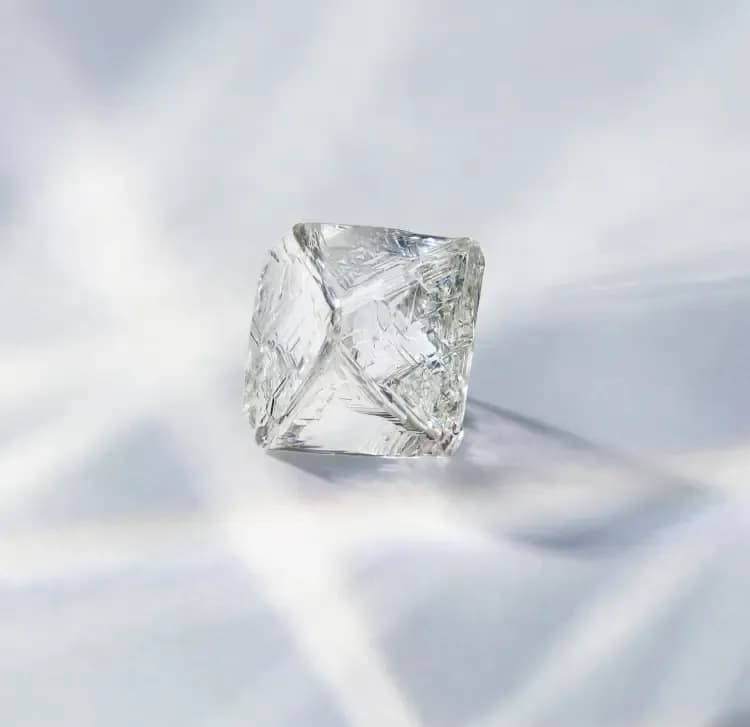
From the moment a natural diamond is recovered to the time it reaches you, it passes through a carefully regulated and stringent ethical practice. From its sourcing to the journey, it is supported by internationally recognised standards such as the Kimberley Process Certification Scheme.
Established in 2003, The Kimberley Process is a global framework established to ensure fair trade, promote transparency in the supply chain and legitimise working conditions and wages.
Under this system, every cross-border shipment of rough, uncut natural diamonds must have an official Kimberley Process Certificate to prove it is conflict-free.
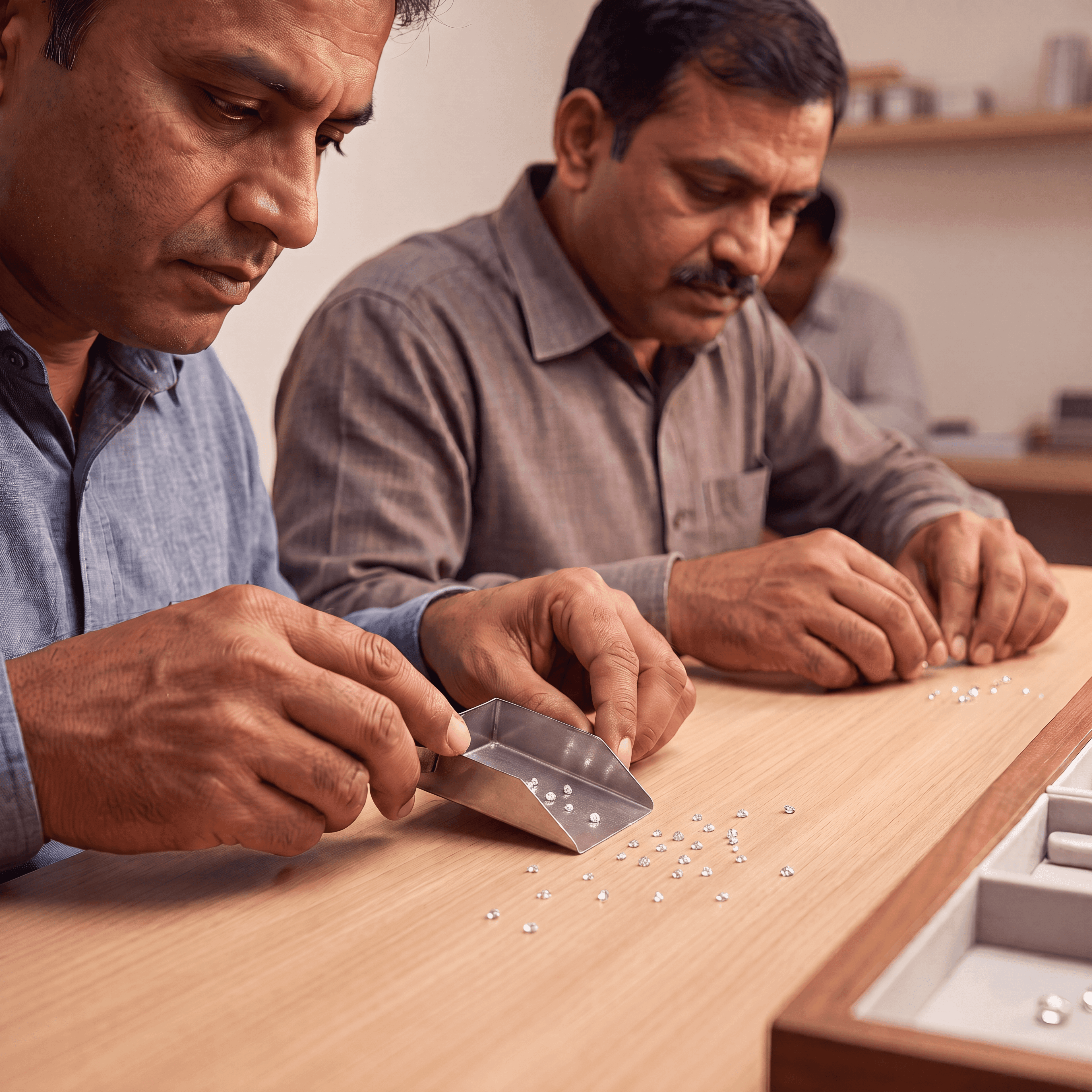
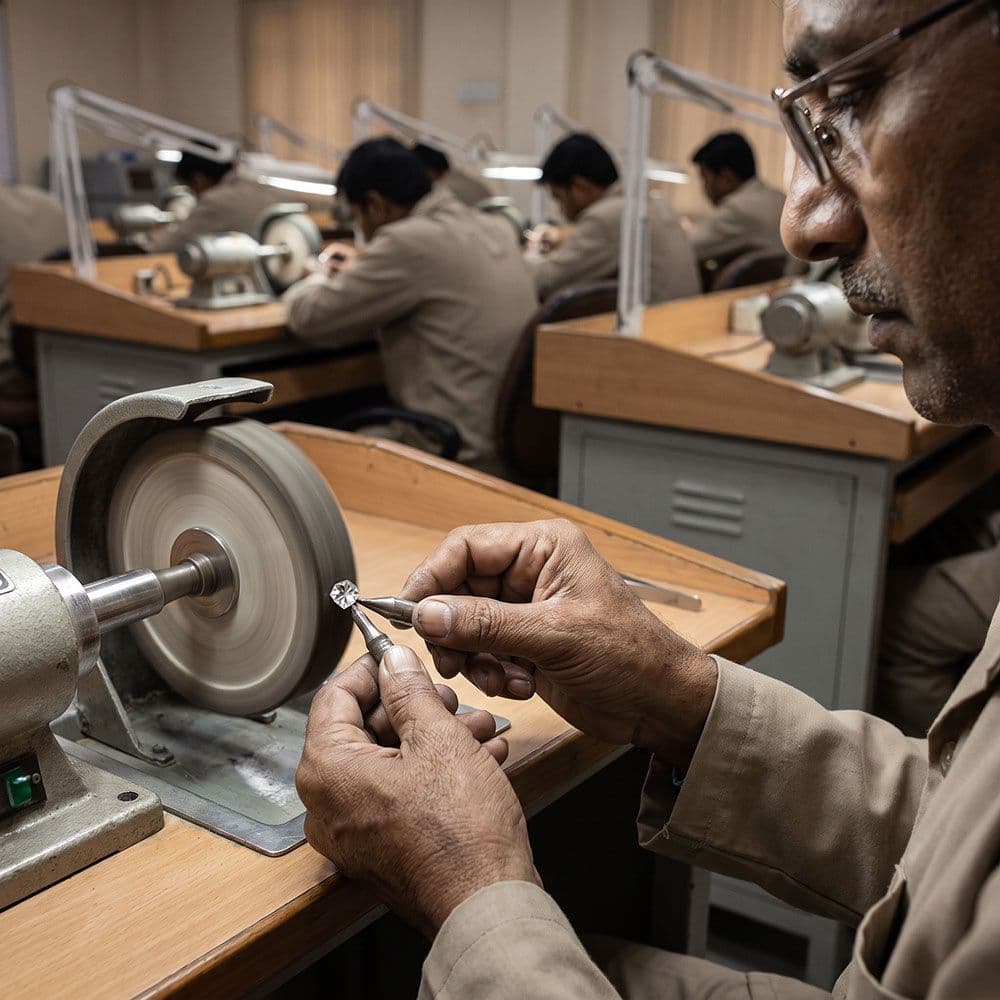
Diamonds imported to India are regulated with the guidelines set by the Gem and Jewellery Export Promotion Council (GJEPC), and only Kimberley Process certified rough diamonds are used for cutting, polishing, and jewelry manufacturing.
A timeline of India’s journey from the birthplace of diamonds to the diamond capital of the world.
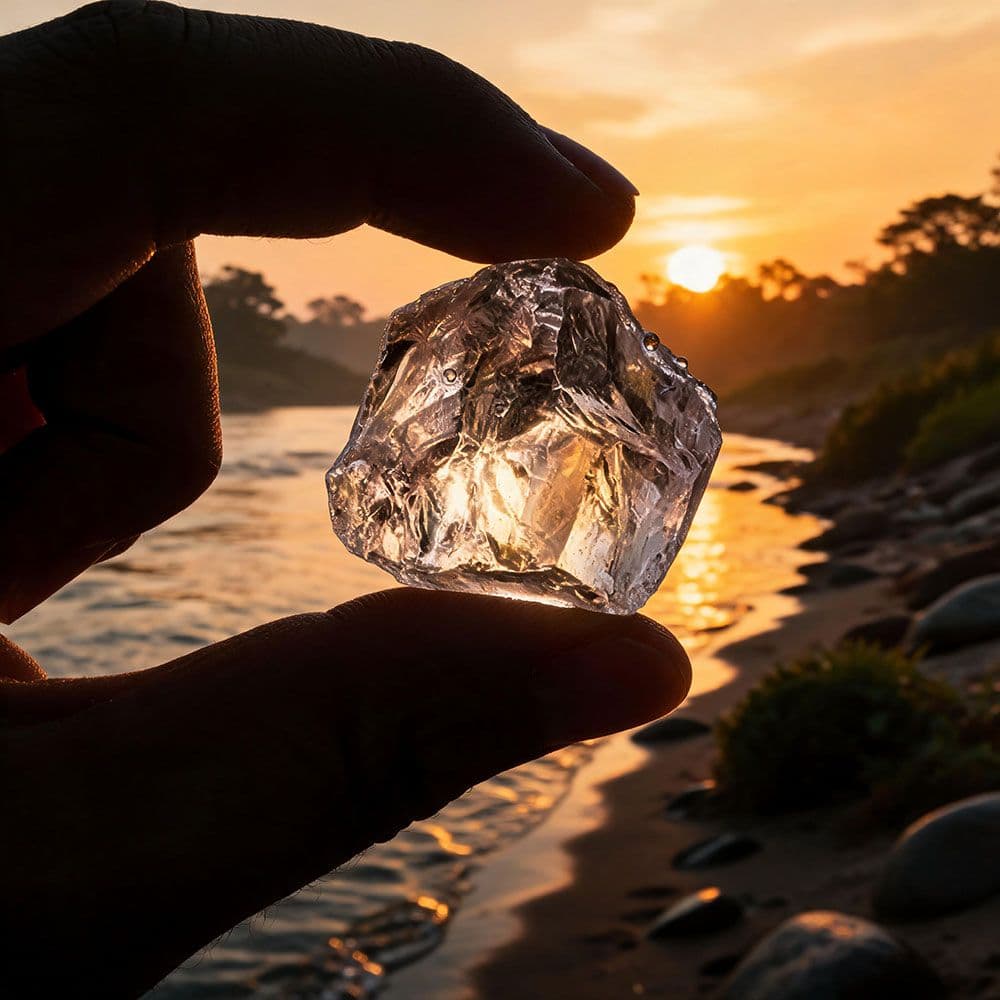
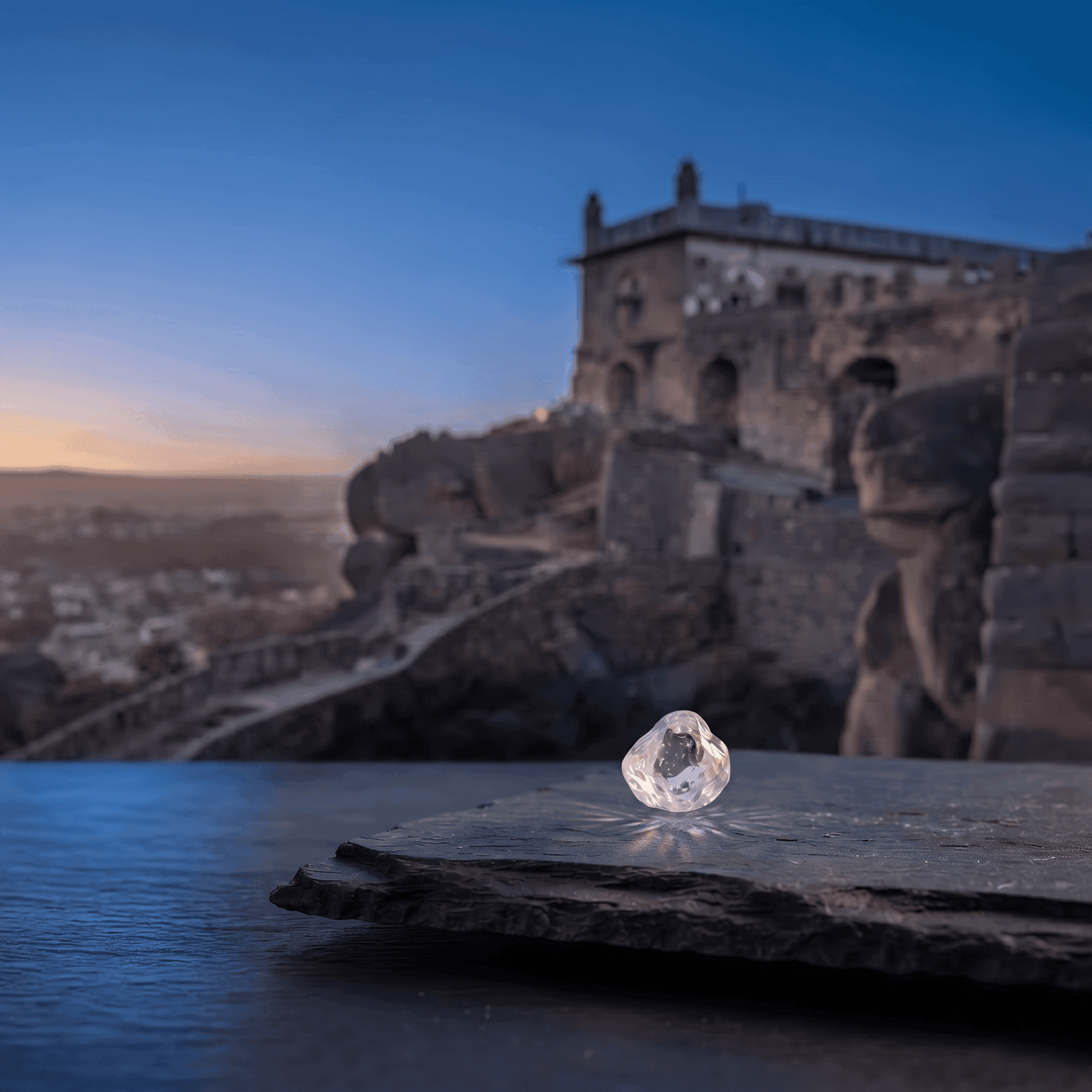
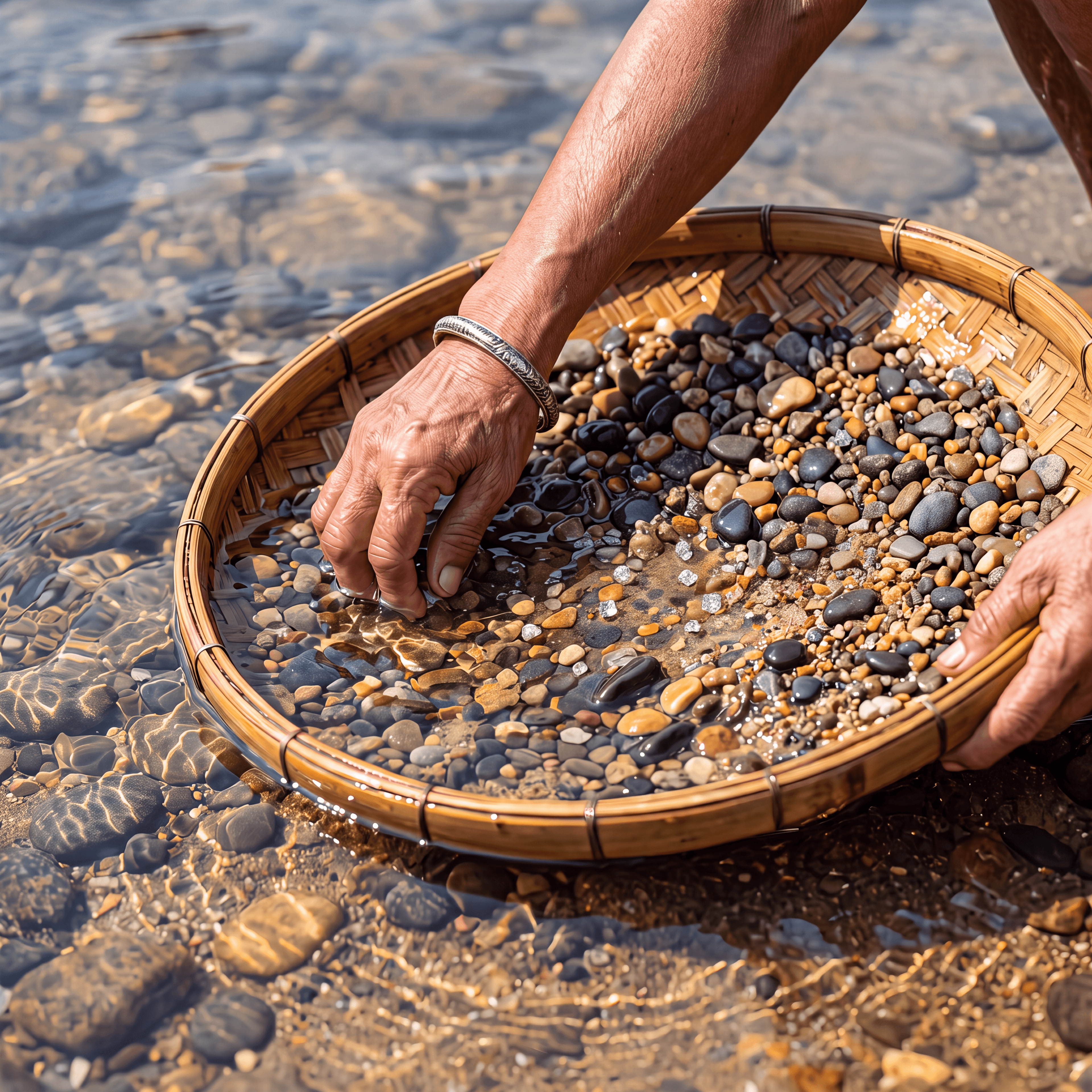
Diamonds were first found over 4000 years ago, along the rivers Krishna, Penner and Godavari.
India has evolved to become the undisputed natural diamond capital of the world.

In Indian culture, natural diamonds have never been mere adornments or pieces of jewellery. They are deeply embedded in the country’s cultural, spiritual and familial traditions, marking meaningful moments across generations.
Natural diamonds symbolise power, purity and a divine connection, often referenced in ancient texts and associated with deities and higher energies. From royal courts to family homes, they are emblems of prestige and authority.
Within families, natural diamond jewellery is often treated as a living archive of personal history. Pieces are preserved, with their origins remembered and documented. They hold not only financial value but also an emotional inheritance that grows richer over time.
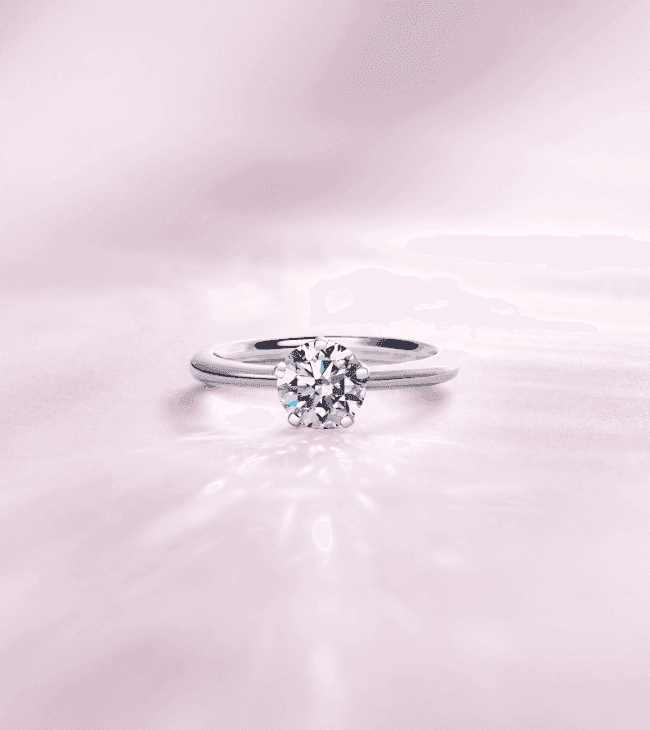
A symbol of promise and forever, crafted to reflect a love as rare and enduring as the diamond itself.
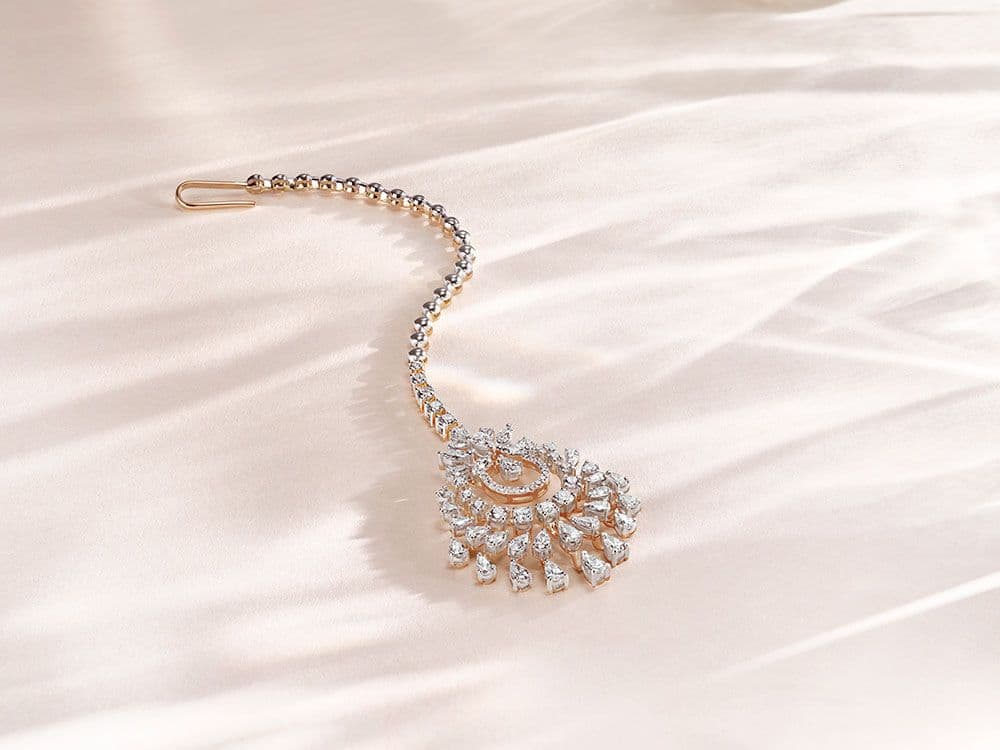
Designed to honour tradition and celebrate new beginnings, these pieces become heirlooms that live far beyond the wedding day.
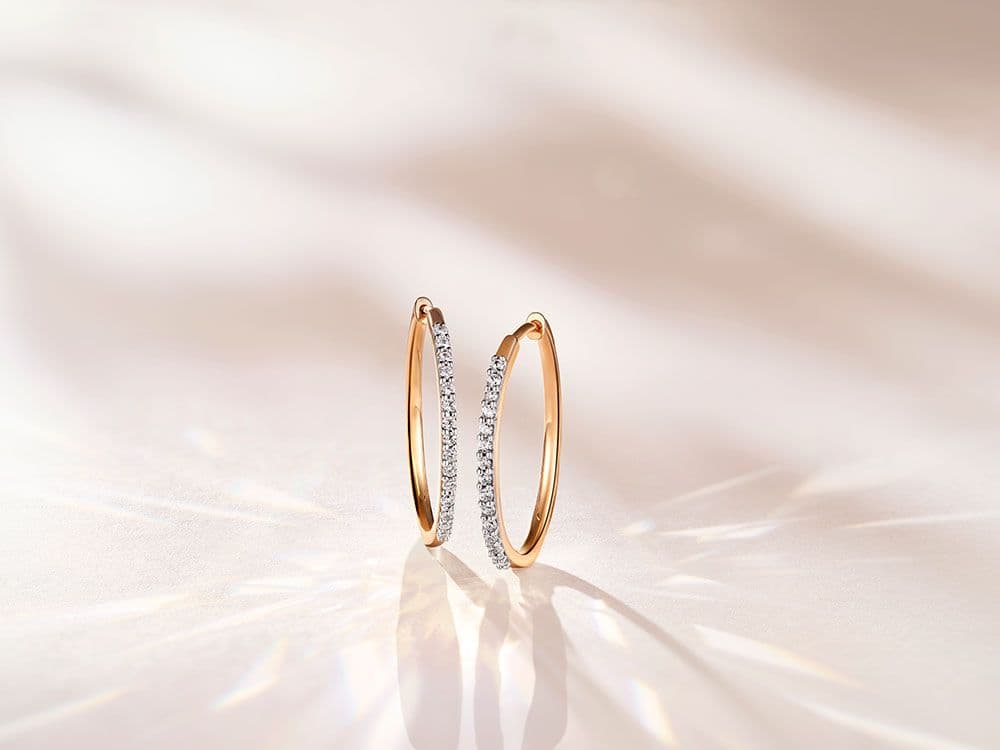
Gifted with love or chosen in celebration of personal triumphs, natural diamonds carry meaning far beyond the moment, becoming stories to hold forever.